




Mosquito Joe provides essential tips to prevent rodent infestations.
|
Scratching in the walls. Gnaw marks on food packages. And droppings. Yuck! Rodents can be persistent houseguests, so the best time to deal with an infestation is before one gets started.
Rodent prevention focuses on three things: blocking possible entry points, reducing access to food and water, and removing places where rodents can shelter around your property. Here are nine practical steps that can make your home and yard less inviting to mice and rats.
Step 1: Seal Up Entry Points
Rodents don’t need an open door to move in. Mice can squeeze through an opening about 1/4 inch wide — roughly the width of a pencil — so small gaps around your home can become convenient entry points. According to the Centers for Disease Control and Prevention, checking for and sealing holes inside and outside your home is an important part of preventing rodent infestations.
Start by doing a thorough pest inspection around your home. Check the foundation, doors, windows, roofline, vents, utility lines, and areas where pipes or cables enter the structure.
Small holes may be sealed with materials such as steel wool secured with caulk. Larger openings may require metal, hardware cloth, cement, or another durable material appropriate for the area. The goal is simple: let rodents know there’s no vacancy at your place.
Step 2: Keep Food and Trash Under Control
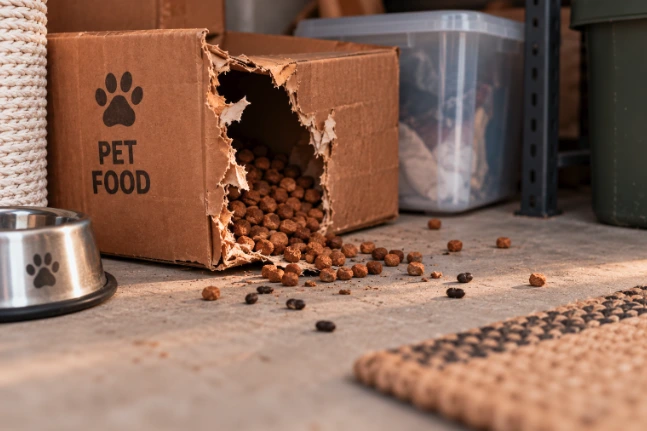
Rodents are opportunistic creatures. If dinner is easy to find, they’re not going to turn down the invitation.
Crumbs on countertops, dirty dishes, accessible garbage, open food packages, and pet food left out can all provide potential food sources. Store pantry items and pet food in tightly sealed containers, clean spills and crumbs promptly, wash dishes regularly, and keep garbage in sturdy containers with secure lids.
Don’t forget garages, basements, sheds, and storage spaces. Clutter can provide both hiding places and nesting material. Keeping these areas clean and organized helps take your home off the rodent restaurant guide.
Step 3: Store Firewood Properly
What looks like an innocent stack of firewood may look like prime real estate to mice and rats. Rodents can shelter between logs and may even hitch a ride indoors with your next armful.
Keep firewood as far from your home as practical and elevate it at least 12 inches off the ground. The CDC recommends keeping woodpiles 100 feet or more from a home when space allows. Keeping wood raised also improves airflow and makes the pile less hospitable to pests.
Before carrying logs indoors, give them a quick inspection. Nobody wants an unexpected plus-one joining them by the fireplace.
Step 4: Trim Trees, Shrubs, and Overgrown Vegetation
Overgrown shrubs, dense vegetation, and branches touching or hanging over your home can give rodents additional shelter and ways to explore the structure.
Trim vegetation away from siding, rooflines, vents, and other possible entry areas whenever practical. Keep grass maintained and remove dense weeds, brush, and plant debris around the house.
A little landscaping cleanup can go a long way toward making your yard less rodent-friendly — and giving pests fewer places to hide while they plot their next move.
Step 5: Protect Vents, Chimneys, and Other Openings
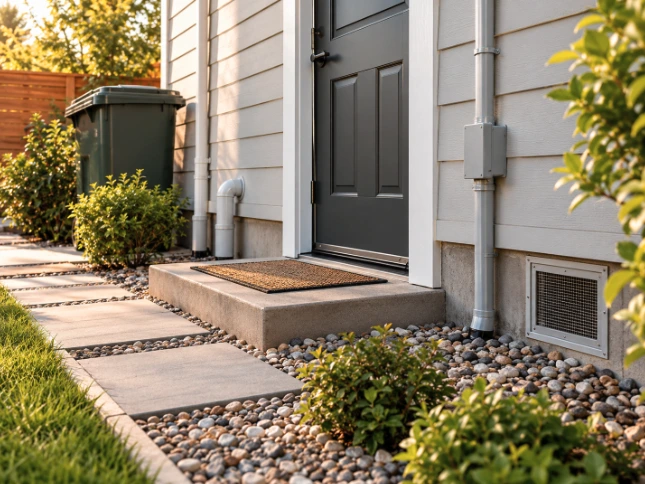
Vents, chimneys, and other exterior openings serve an important purpose, but an unprotected opening may also provide rodents with a route indoors.
Properly fitted vent screens, chimney caps, and other appropriate barriers can help block access without interfering with ventilation. Check screens and caps periodically for gaps, damage, or loose edges.
If an opening is difficult to reach or you’re unsure which type of barrier is appropriate, consider having it inspected by a qualified professional rather than turning rodent prevention into an unexpected rooftop adventure.
Step 6: Keep Your Yard Tidy
An untidy yard can offer rodents exactly what they’re looking for: food, shelter, and plenty of places to hide.
Keep grass and vegetation maintained, remove brush and yard debris, pick up fallen fruit, and clean spilled birdseed promptly. Store pet food and animal feed in tightly sealed containers, and avoid leaving food outdoors overnight. Outdoor garbage should also be kept in sturdy containers with tight-fitting lids.
When rodents can't easily find food or shelter in your yard, your property becomes a lot less appealing.
Step 7: Fix Leaks and Moisture Problems
Like other animals, rodents need reliable access to water. Leaky outdoor faucets, irrigation problems, standing water, and moisture around a structure can make a property more hospitable to pests.
Check pipes, faucets, and irrigation systems for leaks, keep gutters functioning properly, and address areas where water routinely collects near your home.
Bonus: reducing standing water can also help eliminate mosquito breeding sites. And around here, sending mosquitoes packing is always a win.
Step 8: Monitor for Early Signs of Rodent Activity
Prevention works best when you catch rodent activity early.
Periodically check garages, sheds, storage areas, attics, crawl spaces, and the exterior of your home for droppings, gnaw marks, nesting material, rub marks, or new gaps and holes. The CDC notes that signs of rodents often appear before you actually see the animal, which makes regular inspections especially useful.
If you find evidence of rodents, focus first on identifying how they may be getting onto or into the property and what food, water, or shelter may be attracting them. Focus first on identifying how rodents may be getting onto or into the property and what food, water, or shelter may be attracting them.
Early action can help keep a small pest problem from becoming a much bigger one.
Step 9: Call in Professional Rodent Control When Needed
If you're seeing repeated signs of rodent activity despite your prevention efforts, it may be time for professional help.
A pest control professional can assess activity around your property, identify conditions that may be contributing to the problem, and recommend appropriate control measures.
Where available, Mosquito Joe® offers outdoor rodent control services designed to help reduce rodent populations around your property and create a defensive barrier around your home. Rodent services vary by location, so contact your local Mosquito Joe to find out which options are available in your area.
Make Your Home Less Inviting to Rodents
Rodent prevention comes down to limiting access to the things rodents need most: food, water, shelter, and a way inside.
Seal gaps, manage food and waste, remove outdoor hiding places, fix moisture problems, and watch for early signs of activity. A few routine prevention habits can make your home and yard much less welcoming to unwanted whiskered guests.
Seeing signs that rodents are getting a little too comfortable around your property? Where available, Mosquito Joe offers professional rodent control backed by the Neighborly Done Right Promise® and Mosquito Joe Satisfaction Guarantee.
Contact your local Mosquito Joe to learn which rodent control services are available in your area and request a free quote.
Let’s make your yard a no-vacancy zone for rodents.
This article is intended for general informational purposes only and may not be applicable to every situation. You are responsible for determining the proper course of action for your home and property. Mosquito Joe is not responsible for any damages that occur as a result of this blog content or your actions. For the most accurate guidance, contact the Mosquito Joe location nearest you for a comprehensive, on-site assessment.
This article may contain content, images, and/or multimedia generated with the assistance of artificial intelligence (AI). While we make every effort to review, edit, and ensure accuracy, completeness, and alignment with our content standards, we also encourage readers to verify facts, consult trusted professionals, and use their own judgment when making decisions based on their specific situation.
FAQs About Rodent Prevention
Since 2010, Mosquito Joe professionals have protected families like yours from nasty biters that would have you itching and scratching your way through the season. As an industry leader dedicated to environmentally sound pest control, we’re happy to use our many years of experience to answer your most frequently asked questions about rodent prevention.
